



Apple's "e" Line at a Crossroads
The story around Apple's entry‑level iPhones has gotten complicated. The iPhone 16e was supposed to be the accessible on‑ramp to the ecosystem, but it never really took off. Priced too close to discounted flagships and saddled with a basic 60 Hz display in a 120 Hz world, it felt more like a compromise than a smart buy. In stores and online, the 16e quickly slipped into the background while the standard iPhone 17, with its 6.3‑inch ProMotion display, Dual Fusion 48MP camera system, and A19 chip, became the obvious default choice for most shoppers.
Now the conversation is shifting. A growing wave of iPhone 17e rumors suggests that Apple is not walking away from the "e" concept, but trying to fix it. Instead of recycling older parts, the iPhone 17e news points to a device that could be a deliberate, more focused answer to what went wrong with the 16e—one that tries to win back the market share the previous model failed to secure.

Source: twitter @markgurman
iPhone 17e Release Date: When Could It Arrive? (Rumor)
Unlike the iPhone 17, which is already on sale directly from Apple with a starting price of $799 and a clear spec sheet, the iPhone 17e release date, specs, and price remain speculative. Most analysts expect Apple to stick with a spring window, placing the 17e in early to mid‑2026 as a follow‑up to the current flagship lineup rather than a main‑event September product.
That timing serves a few purposes. It allows Apple to refresh its lower‑priced range without stepping on the flagship iPhone 17's marketing cycle, and it gives the company a way to counter mid‑cycle Android launches. For buyers, that likely means an iPhone 17e that arrives once the standard iPhone 17 has settled into its role as the mainstream, full‑feature choice—leaving the 17e to act as a leaner, more affordable alternative rather than a direct rival.
iPhone 17e Specs: What the Leaks Are Pointing To
So what exactly is Apple reportedly changing? Early iPhone 17e leaks suggest the new phone will still sit below the iPhone 17, but with fewer obvious compromises than the 16e. The rumor mill points to an A19 chip paired with 8GB of RAM, keeping the device compatible with Apple Intelligence features and future versions of iOS for years to come.
On the display side, the big question is whether Apple will finally move this tier beyond 60 Hz. Some reports still expect a 6.1‑inch OLED panel at 60 Hz to maintain separation from the 120 Hz ProMotion display on the iPhone 17, while others hint at a more modern LTPO implementation reserved for higher‑end models only.
Either way, the screen is expected to deliver improved brightness and color accuracy compared to the 16e, narrowing the gap in day‑to‑day feel, even if the refresh rate stays lower.
Camera rumors paint an equally interesting picture. Instead of chasing lens count, Apple is reportedly leaning into a single, high‑quality primary camera on the 17e, with a large sensor designed to handle both everyday shots and 2x‑style crops through smarter processing. Paired with a higher‑resolution selfie camera aimed at TikTok and Reels creators, the iPhone 17e specs may well be less about "budget" and more about a targeted content‑creation profile.
iPhone 17e Price: Learning from the 16e
The iPhone 16e's biggest problem wasn't just features—it was price. At $599, it lived awkwardly close to discounted iPhone 16s and, later, iPhone 17 deals, while lacking the modern touches buyers increasingly expect at such a price point. That's why the iPhone 17e price will have to be handled more carefully.
Most industry chatter pegs the 17e in a similar band—roughly $549–$599—depending on screen and storage configuration. If Apple can hold a $599 ceiling while upgrading the processor, camera, and overall user experience, the 17e could avoid cannibalizing the iPhone 17 while still feeling like a strong value play. Pushing the price much higher, it risks repeating the 16e's fate: overshadowed by the fully‑featured 17, which already brings ProMotion, a larger 6.3‑inch Super Retina XDR display, a dual 48MP camera system, and 256GB starting storage to the table.
iPhone 17e MagSafe: Access to the Full Accessory Ecosystem (Rumor)
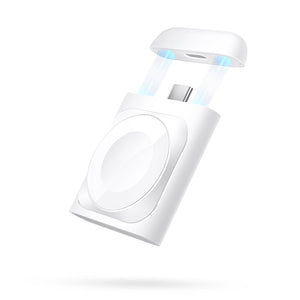
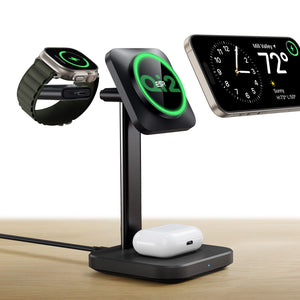
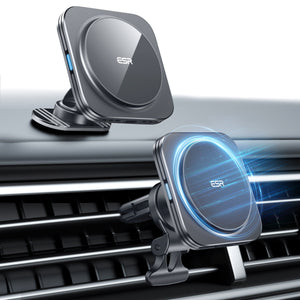
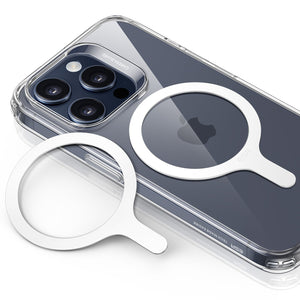
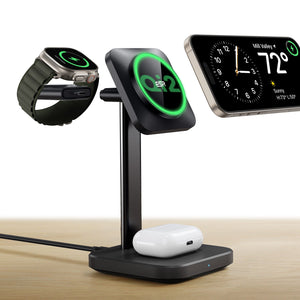
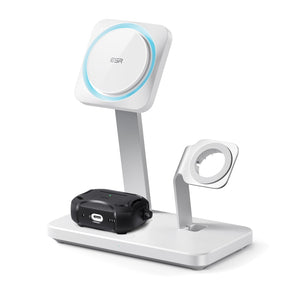
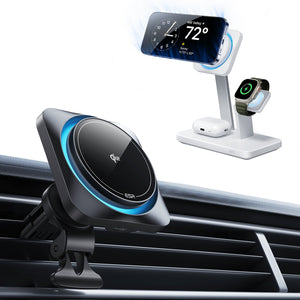
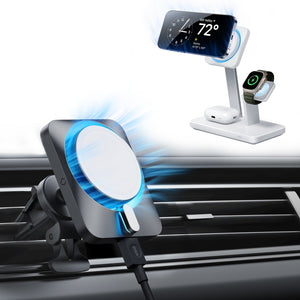
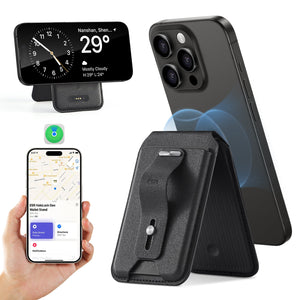
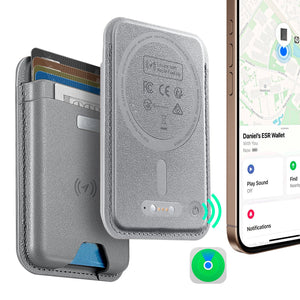
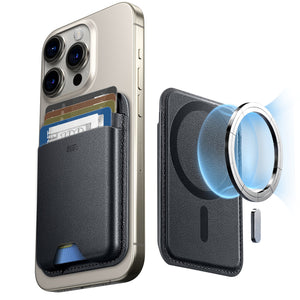
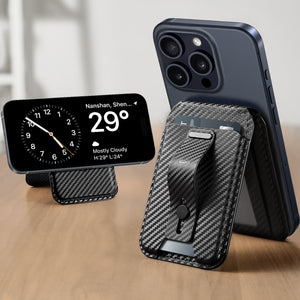
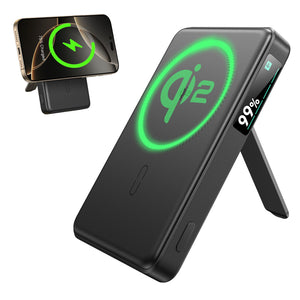
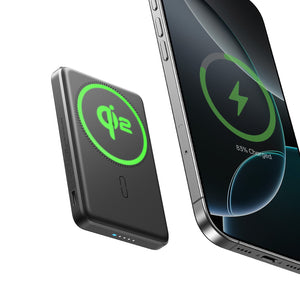
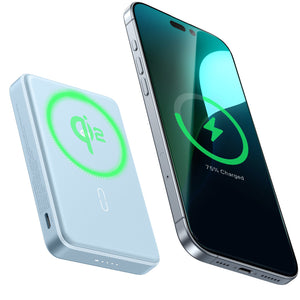
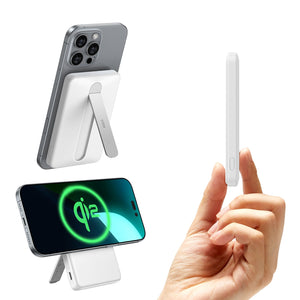
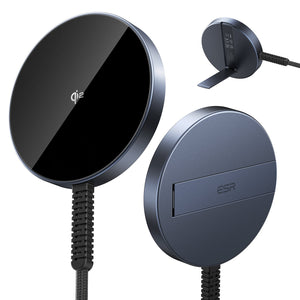
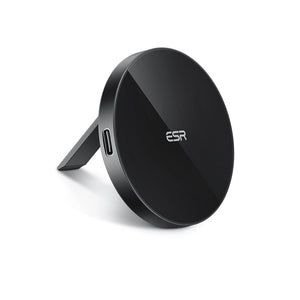
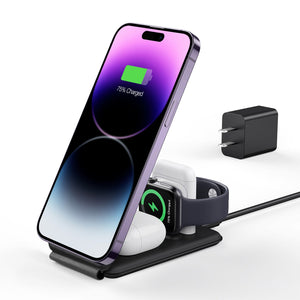
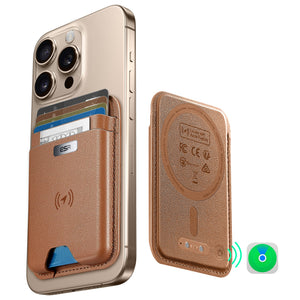
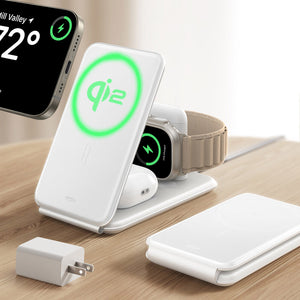
Charging and accessories are now a core part of whether an "affordable" iPhone feels truly modern. With the iPhone 17 firmly committed to USB‑C, fast charging, and MagSafe‑style magnetic wireless charging at 25W, the expectation is that the 17e will follow suit. Current iPhone 17e MagSafe rumors suggest Apple will support the same basic magnetic alignment standard used by existing chargers, stands, wallets, and grips, even if maximum wattage or charging speeds differ slightly.
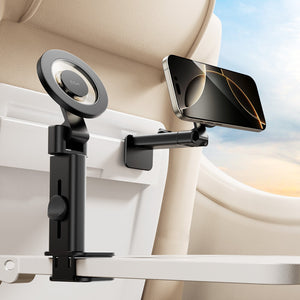
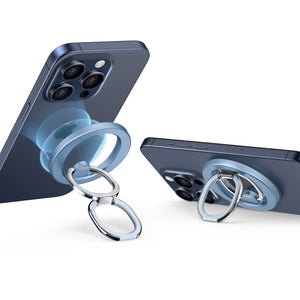
For users, that means the 17e should still fit nicely within the growing ecosystem of MagSafe‑compatible accessories rather than being locked out the way some older budget devices were. For accessory makers, it keeps the lineup simpler: one magnetic standard across the board, with differences mostly in form factor and camera layout.
iPhone 17e vs iPhone 17 vs iPhone 16e (Rumored Comparison)
With the iPhone 17 now official, it's easier to frame iPhone 17e vs iPhone 17 vs iPhone 16e as a story of how Apple is evolving its "e" series. Below is a rumor‑based snapshot of how these three devices line up from a hardware‑first perspective.
|
Feature |
iPhone 16e (current) |
iPhone 17e (rumored) |
iPhone 17 (released) |
|
Launch price |
$599 |
Est. $549–$599 |
From $799 |
|
Chip |
A18‑class |
A19‑class (rumor) |
A19 chip |
|
RAM |
8GB |
8GB (rumor) |
8GB |
|
Display size |
6.1" OLED |
6.1" OLED (rumor) |
6.3" Super Retina XDR |
|
Refresh rate |
60 Hz |
60 Hz (rumor) |
ProMotion up to 120 Hz |
|
Rear cameras |
Dual (main + ultra wide, 48MP main) |
Single advanced wide (rumor) |
48MP Fusion Main + 48MP Fusion Ultra Wide |
|
Front camera |
12MP |
Higher‑res selfie (rumor) |
New Center Stage front camera |
|
MagSafe / wireless |
Qi2‑style wireless |
Magnetic wireless charging (rumor) |
Magnetic wireless charging with fast top‑up |
|
Battery |
Mid‑3000 mAh class |
Slight bump expected (rumor) |
Up to 30 hours video playback (Apple rating) |
|
Build |
Aluminum + glass |
Aluminum + revised camera bump (rumor) |
Durable design, multiple refined colors |
From this angle, the 17e reads less like a cut‑down 17 and more like a course correction from the 16e. The standard iPhone 17 still holds the high ground with its 6.3‑inch ProMotion display, Dual Fusion 48MP rear cameras, and double the starting storage, but the rumored 17e would sit closer in everyday feel than the 16e ever managed, especially if Apple gets the camera and performance balance right.
iPhone 17e Cases and Screen Protectors: What Buyers Should Expect
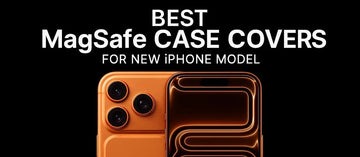
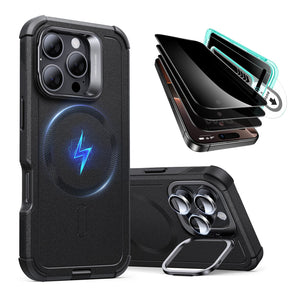
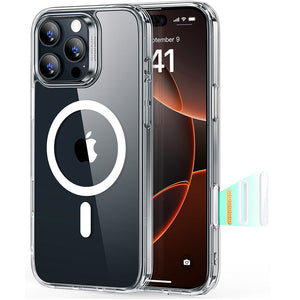
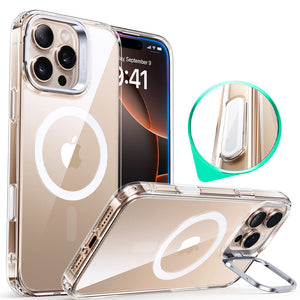
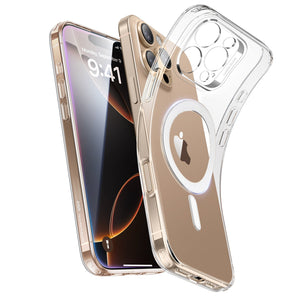
If Apple does move to a single, larger rear lens and slightly reworked chassis for thermal and battery reasons, existing 16e cases almost certainly won't fit. That makes a dedicated iPhone 17e case more than just an optional add‑on. With a more pronounced camera bump, a good case will help stabilize the phone on a table, protect the lens ring from direct impact, and add extra grip to a body that will likely stay slim and light.
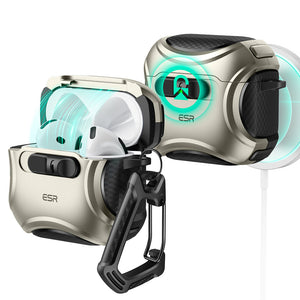
Screen protection will matter just as much. Even if Apple keeps using Ceramic Shield‑class glass, day‑to‑day wear from dust, scratches, and accidental drops adds up. As in past cycles, ESR is preparing a full range of iPhone 17e accessories, including form‑fitting cases and tempered glass screen protectors that will match the dimensions and camera layout. The goal is simple: have protection ready the moment early adopters pick up the phone, so they're not carrying a bare device that's vulnerable to damage.
Do I need an iPhone case for iPhone 17e?
Yes, it's still a smart move. Even if the iPhone 17e keeps an aluminum frame and glass back like other recent models, both materials are vulnerable to drops and edge impacts. The rumored larger single-lens camera bump may be one of the first points of impact if the phone hits the ground. A well-designed iPhone 17e case helps absorb shock, protects the camera lens, and reduces cosmetic damage that affects resale value. Brands like ESR focus on reinforced corners and raised edges around the screen and camera, which are key for this type of design.
Do I need a screen protector for iPhone 17e?
For most people, yes. "Shatter-resistant" glass does not mean scratch-proof, and fine scratches from sand, debris, or keys can accumulate over one to three years of use. If the iPhone 17e includes a high-quality OLED display meant to show off advanced camera performance and smooth animations, keeping it pristine matters. A tempered glass screen protector adds a sacrificial layer that can be replaced cheaply if it cracks, helping avoid expensive display repairs. Paired with a solid case, it's still the best value protection for any new iPhone.